2026-10-10 ·
Kenosha Seasonal Roof Maintenance Checklist (Spring/Fall)
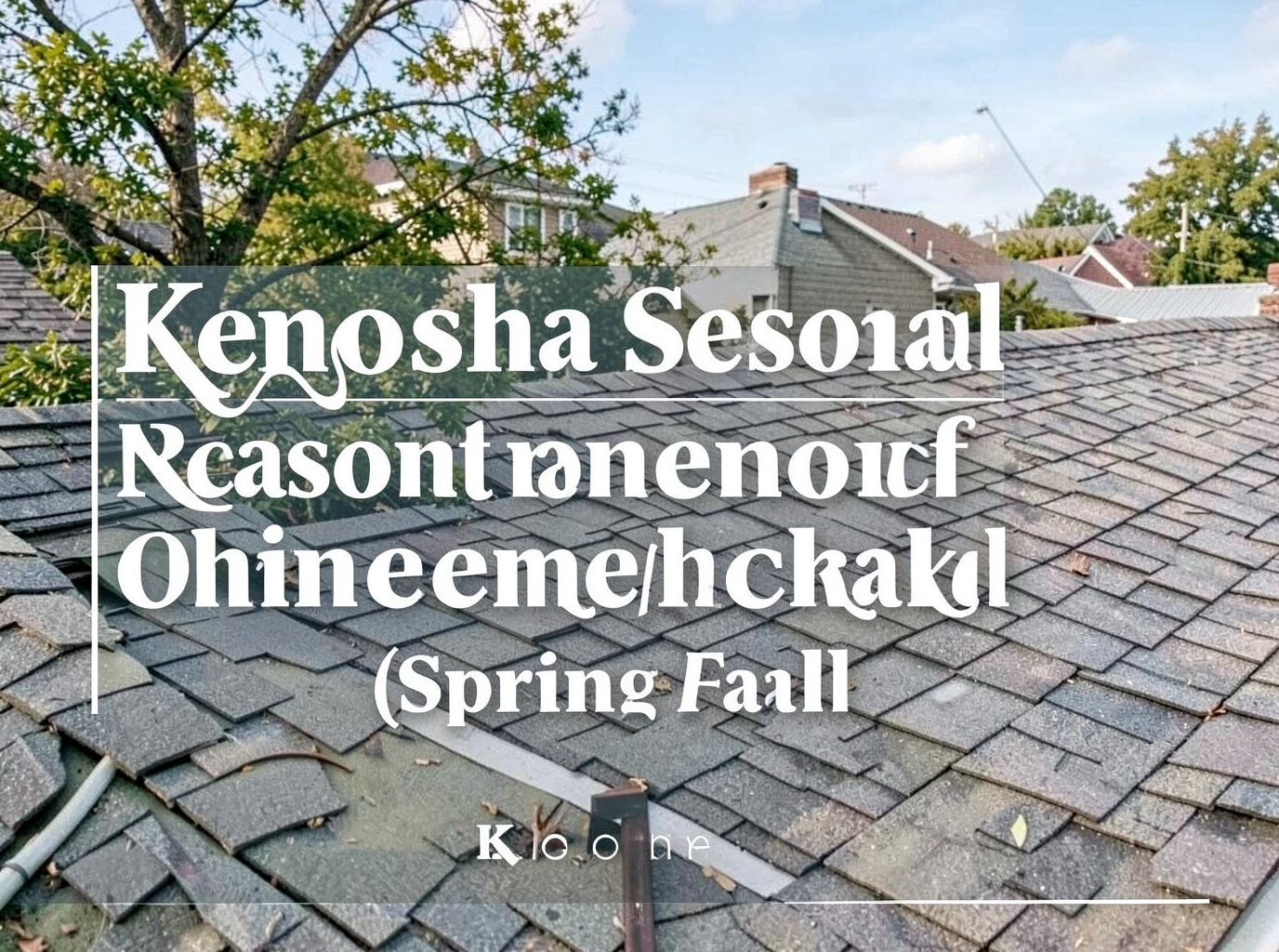
Kenosha homeowners benefit from spring and fall roof checks because the humid continental climate brings heavy snow loads in winter that can create ice dams and warm humid summers that promote algae growth on shingles.
Spring Roof Inspection Steps
Walk the roof perimeter in early spring once snow melts to spot lifted shingles or granule loss common on homes built before 1980 in Lincoln Park and Allendale. Check flashing around chimneys and skylights for gaps that allow water intrusion during spring rains. Inspect gutters for debris buildup from winter storms, as clogged downspouts direct water under eaves in Uptown and Roosevelt neighborhoods. Look for moss starting on north-facing slopes near the Kenosha Harbor where shade and humidity linger. Document any soft spots in the decking by probing with a screwdriver to identify rot before it spreads. These steps prevent small issues from becoming leaks when summer humidity arrives.
Common Spring Issues in Local Housing Stock
Older homes in Bain Park and Downtown Kenosha often feature asphalt shingles installed 15 to 20 years ago that show wear from freeze-thaw cycles. Warm spring rains can penetrate cracked sealant around vents, especially on two-story structures near Civic Center Park where wind exposure is higher. Algae streaks appear first on shaded sections after winter, feeding on moisture trapped under leaves. Homeowners in HarborSide notice more granule shedding because lake-effect winds accelerate shingle aging. Addressing these during spring keeps water from reaching the underlayment before summer storms hit.
Fall Preparation Checklist
Clear gutters and downspouts in late fall before temperatures drop to avoid ice formation along eaves in neighborhoods like Roosevelt. Trim overhanging branches that drop debris onto roofs near Bradford Beach, reducing the chance of moisture pockets. Apply zinc strips along ridges on homes in Allendale to slow algae regrowth through the next humid summer. Check attic ventilation to prevent condensation that leads to ice dams once snow arrives. Secure loose flashing on chimneys before winds from Lake Michigan pick up. These tasks protect against the transition from warm fall days to freezing nights typical in Kenosha County.
Preventing Ice Dams and Algae Growth
Ice dams form when heat escaping from attics melts snow on the roof edge, then refreezes in the cold winters common here, backing water under shingles. Homes in Uptown with poor insulation see this most often. Adding attic insulation and sealing bypasses reduces the temperature differential that causes dams. For algae, the warm humid summers create ideal conditions on north slopes in Lincoln Park. Zinc or copper strips installed along the peak release ions that inhibit growth for 8-12 years. Both problems increase leak risk if left unchecked, particularly on older roofs serving Racine and Milwaukee commuters.
When to Call for Professional Help
Schedule a full inspection if you notice widespread granule loss or multiple soft spots after spring thaw. Persistent algae covering more than 20 percent of the surface warrants treatment before it traps additional moisture. For ice dam concerns in fall, consider professional removal services rather than attempting roof access on icy surfaces. Tracking these seasonal tasks in Kenosha reduces emergency calls during peak winter and summer weather shifts.